If you are considering a Wailea condo as a vacation rental investment, it helps to start with one simple truth: not every condo in Wailea should be evaluated the same way. In this part of South Maui, you are not just buying square footage. You are buying into a resort setting, a legal use framework, and a guest experience that can directly affect how the property performs. If you want to make a more confident decision, you need to look beyond the view and finishes. Let’s dive in.
Wailea Is a Resort Market First
Wailea operates differently from a typical condo market. The Wailea Resort Association describes the area as a resort community with 8 luxury hotels, 1,985 vacation-rental condos, villas, and penthouses, plus 497 resort homes. With five beaches, three beach-access parks, a 1.5-mile coastal walk, and three championship golf courses, the setting shapes how buyers and guests view the product.
That matters because a Wailea condo often functions more like hospitality inventory than a standard residential apartment. If you are buying with vacation rental income in mind, the unit itself is only part of the equation. The broader resort environment can influence demand, guest expectations, and how your property competes.
Start With Legal Use
Before you estimate income, you need to confirm whether short-term rental use is actually allowed for the specific parcel. Hawai‘i tax guidance treats short-term rental activity as rentals of less than 180 consecutive days. Maui County states that hotel districts are intended for short-term rentals, while residential districts are intended for long-term housing.
Maui County also says Chapter 19.37 prohibits transient vacation rentals outside the hotel district unless a conditional permit applies. County guidance further notes that operating an illegal TVR can trigger an initial $1,000 fine and daily fines up to $1,000 per day. That makes legal status a non-negotiable part of your due diligence.
Recent county law changes make this even more important. On December 15, 2025, Ordinance 5909 phased out apartment-district TVRs that had previously been allowed under older exceptions. According to Maui County, those uses may continue only until December 31, 2028 in West Maui and December 31, 2030 in the rest of the county, then must stop on January 1, 2029 or January 1, 2031.
If you are buying in Wailea, do not rely on assumptions, past marketing, or seller commentary alone. Maui County directs buyers to verify zoning on the Maui Real Property Tax website using the Island of Maui zoning layer. For investment property in South Maui, parcel-level confirmation is essential.
Understand Taxes Before You Underwrite
A condo can be legal for short-term rental use and still perform differently than expected once taxes are fully modeled. The Hawai‘i Department of Taxation states that short-term rental income is taxable business activity. Rental income may be subject to Hawai‘i income tax and general excise tax, and a transient accommodation is also subject to transient accommodations tax unless an exemption applies.
Maui County also imposes a county transient accommodations tax. If you are projecting net income, you need to account for GET, TAT, county TAT, and filing obligations from the start. Gross rent projections alone do not give you a useful investment picture.
Property tax classification also matters. Maui County distinguishes among TVR-STRH, hotel-and-resort, apartment, long-term rental, and owner-occupied classifications. Because the county classifies property by highest and best use except for certain exemptions, it is wise to confirm the parcel’s current classification before you finalize your numbers.
Match the Building to the Guest
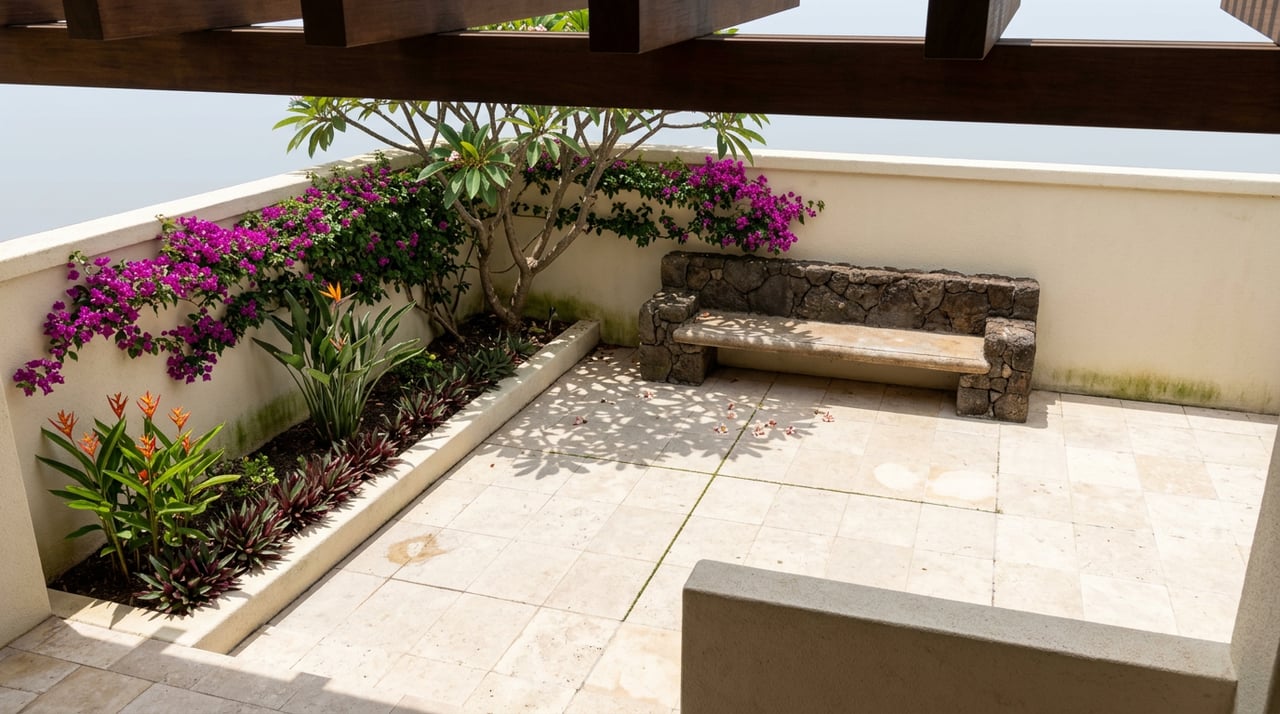
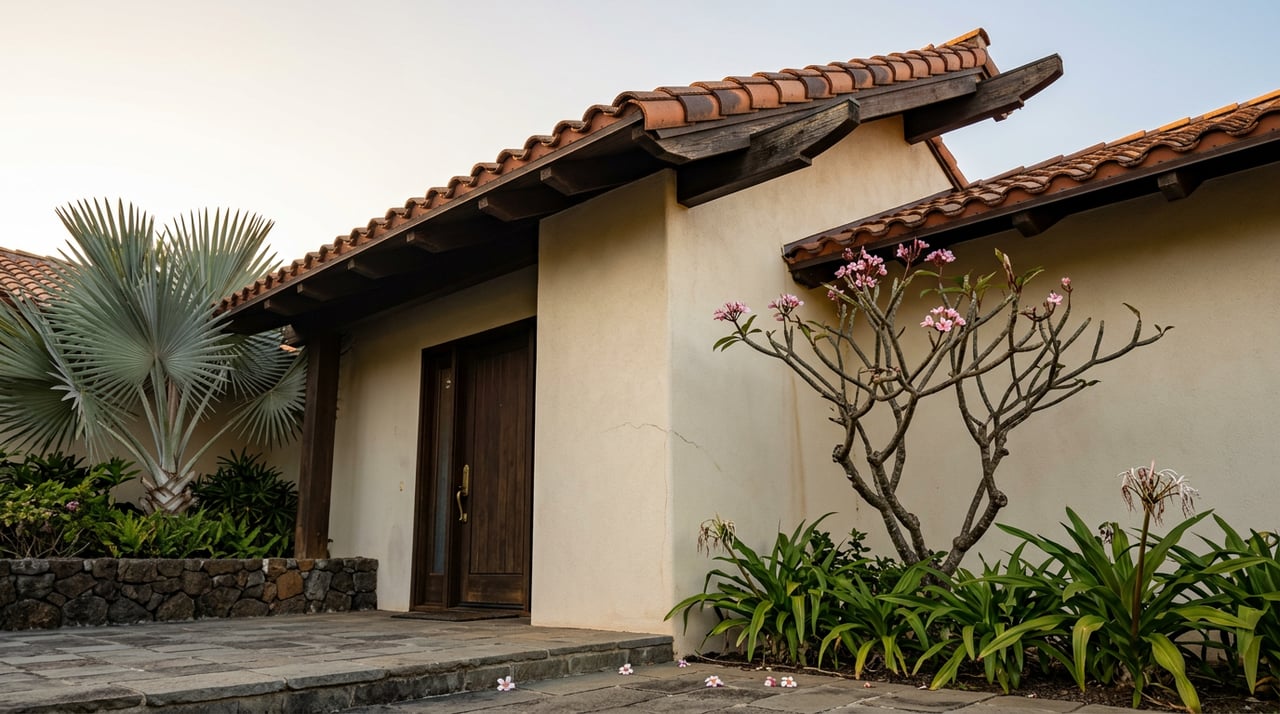
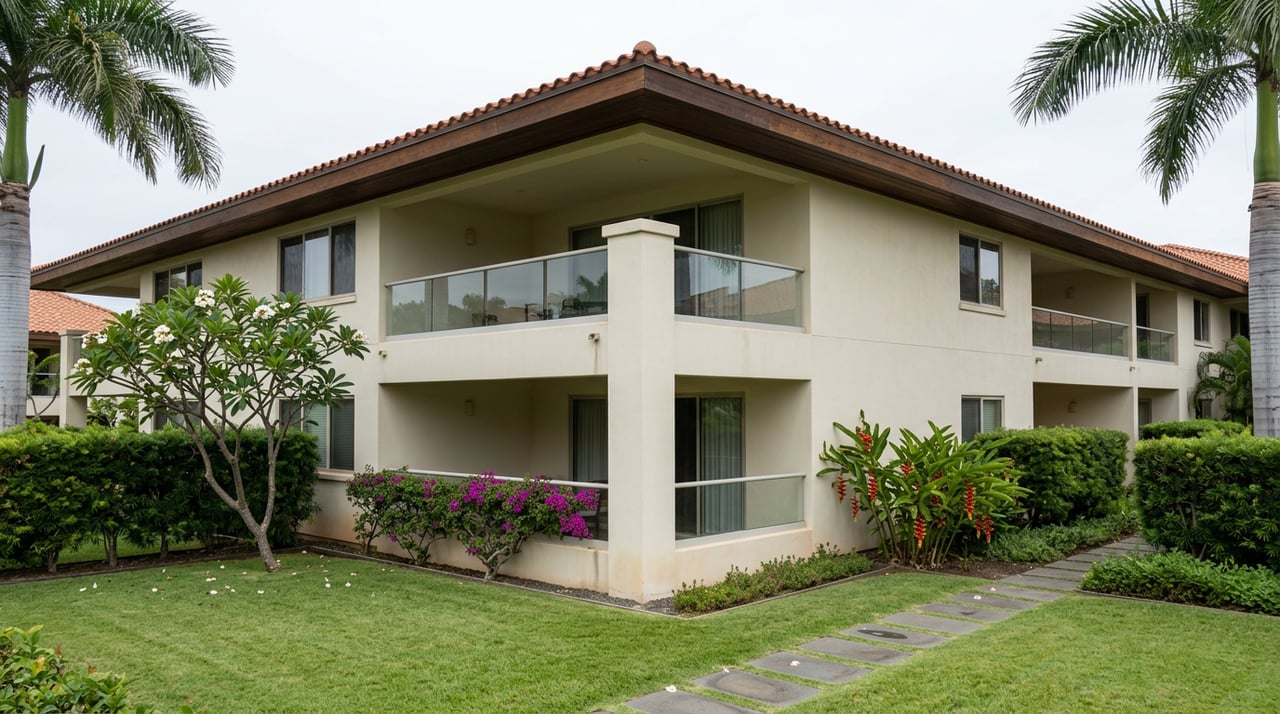
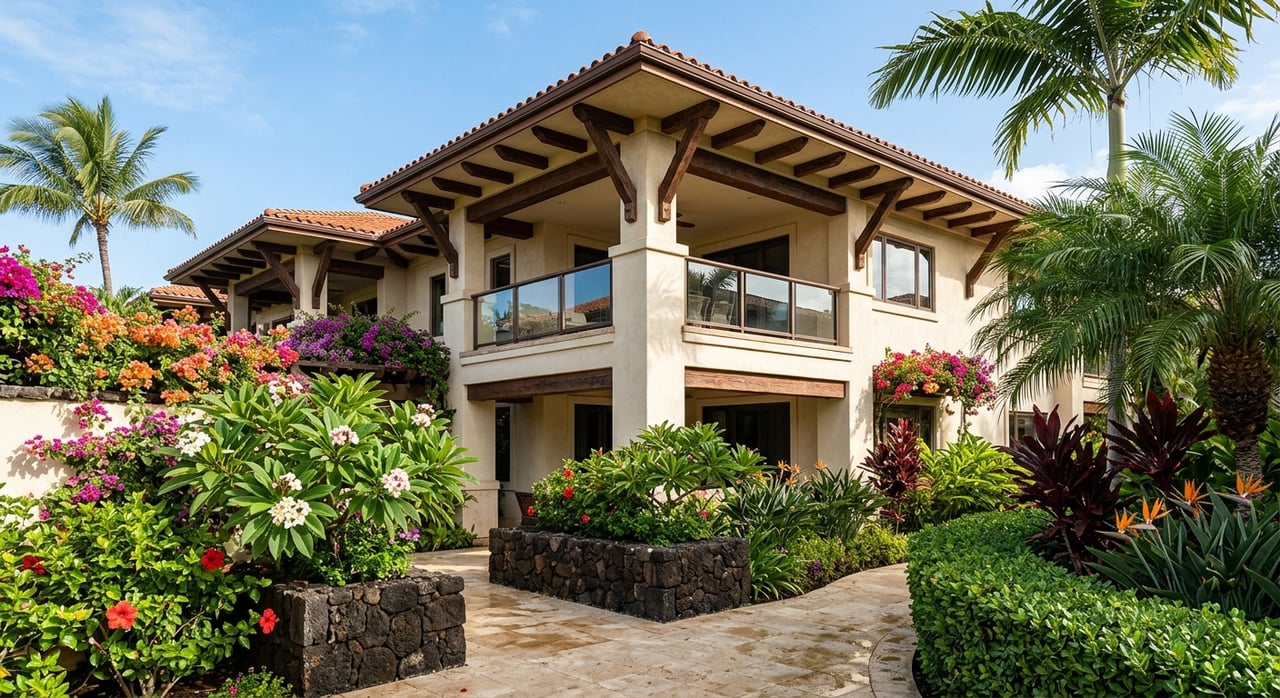
One of the biggest mistakes buyers make is treating all Wailea condo communities as interchangeable. They are not. Wailea’s vacation-rental inventory includes oceanfront low-rise communities, gated beach-walk projects, golf-oriented villages, hillside properties, and large-format luxury villas.
The Wailea Resort Association’s examples help show that range. Ekahi is described as oceanfront with 54 buildings on 34 acres. Elua is gated and located on the beach walk. Ekolu is more golf-view oriented, while Grand Champions is near golf, tennis, shops, and beaches. Ho‘olei offers luxury villas with private elevators and garages, while other communities may lean more heavily on quiet hillside settings or beachfront service.
This variation matters because different buildings appeal to different guest profiles. A beach-first traveler may prioritize direct shoreline access. A golf-focused visitor may care more about course views and proximity. A family staying longer may value a larger layout, kitchen, parking, and a management setup that supports smoother arrivals and departures.
In practice, the building-to-guest match often matters more than the Wailea name alone. If you plan to use the condo personally and rent it part-time, your ideal property should fit both your lifestyle and the likely renter profile. That is often where the strongest long-term satisfaction comes from.
Look Closely at Amenity Value
In many markets, amenities are a bonus. In Wailea, they are often central to the rentability story. Current resort descriptions across Wailea communities consistently point to features such as beach or beach-walk access, ocean or golf views, pools, spa or fitness access, kitchens, lanais, parking, Wi-Fi, and resort-style service.
For a vacation rental buyer, those features should be part of the core analysis. Guests comparing Wailea options are often comparing the full stay experience, not just interior finishes. A beautiful remodel may help, but it may not overcome weaker access, limited amenities, or a less competitive setup for the guest segment you want to attract.
That is why it helps to think in layers. First, confirm legal use. Next, assess whether the community’s amenity package supports demand. Then look at the individual unit’s position within the project, such as view orientation, floor level, proximity to pools or parking, and practical livability.
Review HOA Documents Carefully
In Hawai‘i condo ownership, the governing documents carry real weight. The state’s condo guidance explains that the declaration, bylaws, and sometimes house rules control permitted and prohibited uses, board powers, fines, late fees, insurance requirements, pet rules, quiet hours, pool hours, and guest parking.
If you are buying for vacation rental use, this is where details can affect your plan. A project may be legally located in an area that supports short-term rental activity, but the association documents still need to be reviewed closely. The governing structure can shape how guests check in, where they park, what noise restrictions apply, and how ownership feels on a day-to-day basis.
You should also remember that owners pay common expenses regardless of personal use. Common elements may include pools, parking areas, roofs, walkways, and major systems. Reviewing the budget, reserves, and insurance provisions can help you understand whether the property fits your comfort level as an owner.
Management Style Changes the Ownership Experience
Some Wailea buyers want a highly hands-off experience. Others are comfortable being more involved. That is why the building’s management structure matters almost as much as the unit itself.
According to Hawai‘i condo guidance, there is no state-law requirement that every association hire a third-party managing agent. If the declaration or bylaws require one, the association must follow those documents, but many projects self-manage. You cannot assume every condo community will function with hotel-style systems or fully centralized oversight.
For you, this means the management model should align with your goals. If you want a smoother ownership experience with consistent guest-facing systems, one project may fit better than another. If your priority is flexibility or a certain style of use, a different setup may make more sense.
Read the Maui Condo Market in Context
Market context still matters, even when you are focused on a premium resort area. Hawaii Realtors reported that Maui condo sales in December 2025 totaled 699, down 17.96% year over year, with a countywide median sales price of $692,860, down 23.02% year over year. In the same report, single-family pricing was nearly flat, which made condos the softer segment in 2025.
At the same time, the longer historical picture shows why many buyers still view Maui condos as premium assets. Hawaii Realtors’ Maui condo archive shows the median condominium sales price rising from $305,129 in 2011 to $788,313 in 2022. That longer arc helps explain why buyers continue to see Maui condo ownership as both a lifestyle and capital-allocation decision.
For a Wailea purchase, though, countywide numbers are just background. The more useful question is whether the specific condo’s legal status, HOA rules, amenity package, and management structure support your personal-use goals and income expectations. That is the real underwriting lens.
A Practical Wailea Investment Checklist
If you are serious about buying in Wailea as a vacation rental investment, keep your analysis focused on a few core areas:
- Confirm the parcel’s zoning and short-term rental status through Maui County resources before relying on projected income.
- Review the declaration, bylaws, house rules, budget, reserve materials, insurance provisions, and any management agreement.
- Model GET, TAT, county TAT, and property-tax classification in your net-return analysis.
- Decide whether the building’s management style fits your desired balance of personal use, guest service, and owner involvement.
- If legal status is unclear or short-term rental income is central to your purchase, have a Hawai‘i real estate attorney and tax professional review the deal.
The Bottom Line on Wailea Condo Investing
A Wailea condo can be an appealing vacation rental investment, but the smartest buyers approach it with discipline. In this market, the property is best understood through three filters: legal use, resort product, and HOA or management structure. When those pieces line up, you have a much clearer picture of what you are actually buying.
That is especially true in Wailea, where community character, guest expectations, and local rules can all affect performance. If you want help comparing buildings, reviewing condo positioning, and narrowing in on resort properties that fit your goals, Mark Budaska offers a private, consultative approach grounded in Wailea and South Maui market knowledge.
FAQs
What makes a Wailea condo different from a typical condo investment?
- A Wailea condo should often be evaluated as part of a resort environment, where legal rental status, amenities, guest appeal, and HOA structure can matter as much as the unit itself.
How do you verify if a Wailea condo can be used as a short-term rental?
- Maui County directs buyers to confirm the parcel’s zoning and legal status using county resources, because short-term rental use depends on the exact parcel and zoning designation.
What taxes should you include when analyzing a Wailea vacation rental condo?
- You should account for Hawai‘i income tax, GET, TAT, Maui County transient accommodations tax, and the property’s county real-property tax classification when estimating net returns.
Why do HOA documents matter for a Wailea vacation rental purchase?
- Condo documents can control permitted uses, guest parking, quiet hours, fines, insurance obligations, and other rules that directly affect ownership and rental operations.
Does every Wailea condo project have hotel-style management?
- No. Hawai‘i condo guidance says there is no state-law requirement that every association hire a third-party managing agent, so management structure should always be reviewed project by project.
Is the Maui condo market still relevant when buying in Wailea?
- Yes, but mainly as background. Countywide condo data can show broader market conditions, while your actual decision should focus on the specific Wailea property’s legal status, amenities, governance, and fit for your goals.