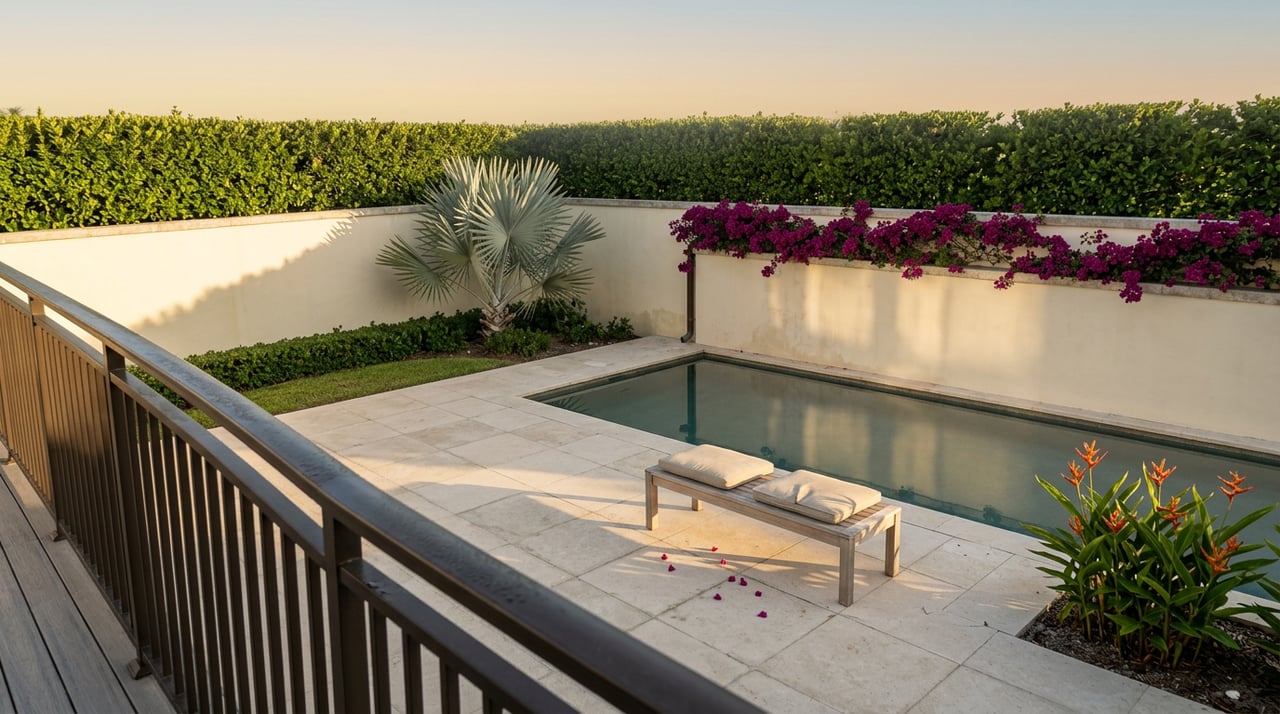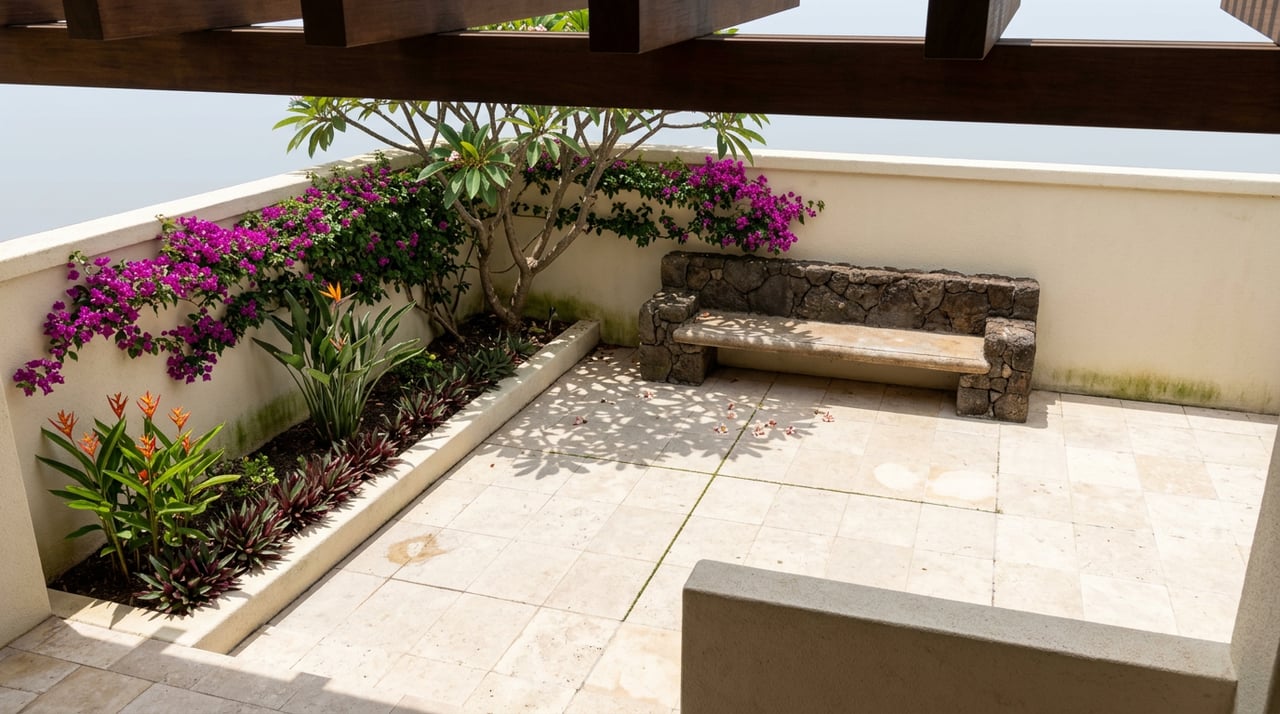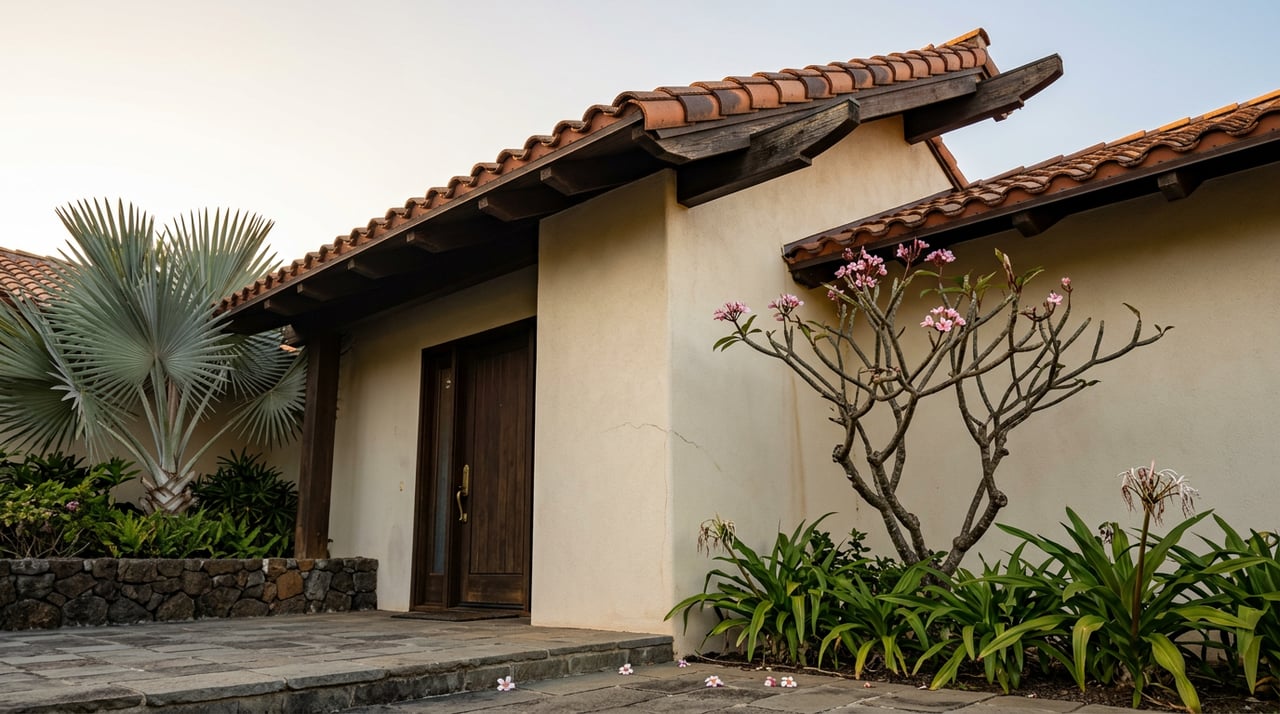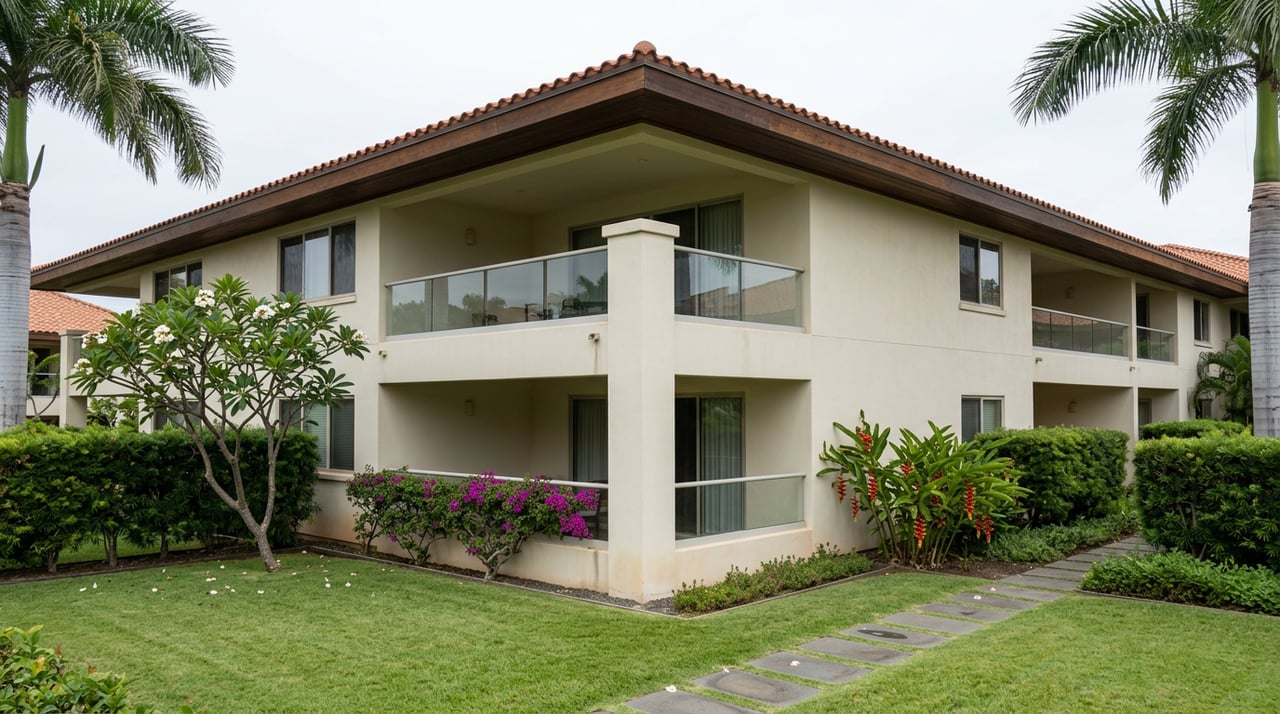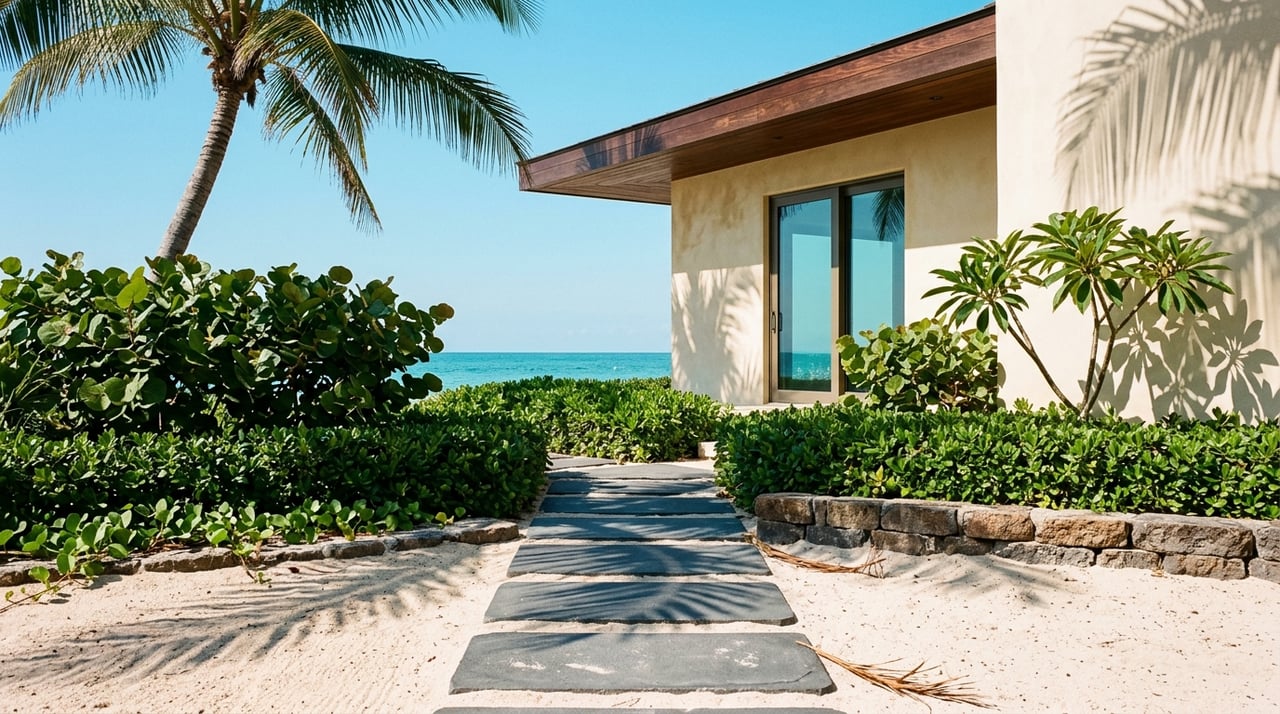
If you are searching for beachfront luxury on Maui, Makena stands apart for one simple reason: it feels less like a resort corridor and more like a coastal retreat. That matters if you want privacy, open shoreline, and a setting shaped more by nature than by commercial activity. In this guide, you’ll get a clear picture of what Makena beachfront living actually feels like, what the shoreline experience is like day to day, and why many luxury buyers see Makena as one of South Maui’s most distinct offerings. Let’s dive in.
Why Makena Feels Different
Makena is best understood as a low-density, shoreline-first part of South Maui. County planning materials describe Makena as a roughly 3,390-acre subarea with just 140 housing units, 76 occupied homes, a resident population of 158, and about 305 daily visitors. That is a very different scale from nearby Wailea.
In the same planning materials, Wailea is described as roughly 1,500 acres with 2,495 housing units, 1,745 residents, and about 11,250 daily visitors. For you as a luxury buyer, that contrast helps explain why Makena often feels quieter, more secluded, and less busy than the resort core just to the north. It is a setting that tends to prioritize space, shoreline, and calm over activity and concentration.
Makena Beachfront Lifestyle
The lifestyle in Makena is shaped by the coast first. County and state sources point to beaches, shoreline access, snorkeling, and ocean recreation as defining parts of the area. Rather than a walkable resort strip lined with shops and hotels, Makena offers a more natural rhythm centered on the water and the landscape.
That means your daily experience may feel more private and less programmed. You may be closer to open sand, shoreline trails, and beach access points, while being a short drive from the more built-out conveniences of Wailea. For many buyers, that balance is exactly the appeal.
Nature Leads the Experience
Mākena State Park is a major anchor of the area. The state describes it as a 164.4-acre scenic wildland beach park with Puʻu Olaʻi and a large white-sand beach. Activities listed by the state include swimming during calm seas, bodysurfing, board surfing, shore fishing, and other beach-related recreation.
This is an important clue about the lifestyle here. Makena is not defined by promenade-style beachfront activity or dense commercial beachfront use. It is defined by a more natural shoreline experience that feels open, scenic, and connected to the land and ocean.
The Beach Experience Is Public and Access-Oriented
Luxury buyers are often surprised by how public beach access works in Hawaii, and Makena is no exception. Maui County maintains a shoreline access viewer intended as an atlas of public sites to access Maui’s beaches and shorelines, including details such as parking, restrooms, lifeguard availability, and access type. In practical terms, that means beachfront living in Makena exists within a broader public shoreline framework.
For you, the takeaway is not about losing privacy at home. It is about understanding that the beach itself is part of a public coastal landscape, with access points and park infrastructure that support public use. That is a normal and important part of owning near the shoreline in Makena.
What Amenities to Expect at the Shore
One of the defining features of Makena is that beach access is generally natural and low-amenity. The shoreline experience here is not heavily built out. That can be a major plus if you value a less commercial environment, but it is still helpful to know what that looks like on the ground.
At Mākena State Park, the state notes that no drinking water is available. Parking is also paid for non-residents, while Hawaii residents park free with a state ID or driver license. Those details reinforce the area’s practical, nature-first character.
Nearby beach parks tell a similar story. Palauea Beach Park offers off-shore swimming, street-side parking, portable restrooms, and no lifeguard on duty. Poʻolenalena Beach Park offers swimming, parking, restrooms, portable toilet facilities, and no water, and it also has no lifeguard.
What This Means for Luxury Buyers
If you are comparing Makena with more service-heavy beachfront destinations, the difference is meaningful. Makena offers a more understated shoreline environment, with public access points and modest facilities rather than a highly managed resort beachfront atmosphere. Many luxury buyers see that as part of the value.
In other words, Makena’s luxury is less about activity at the shoreline and more about the setting itself. The draw is the open coast, the visual calm, and the sense that the landscape remains the main attraction.
Makena vs. Wailea
Makena and Wailea are close neighbors, but they offer different experiences. County planning materials describe Wailea as a planned resort community with shops, golf courses, and resort hotels capable of hosting conventions and conferences. Makena, by contrast, is identified more by parks, shoreline access, a small resident base, and preservation-oriented land use.
That distinction matters when you are deciding where to buy. If you want condo-style resort convenience, a denser amenity base, and a more active visitor environment, Wailea may align more closely with those priorities. If you want resort adjacency without being in the resort core, Makena often offers a very different pace.
The Tradeoff Is Clear
Makena gives you proximity to South Maui conveniences while maintaining a more retreat-like feel. You are not cut off from dining, shopping, or golf in the broader Wailea area, but Makena itself is not built around that commercial concentration. The result is a more private, less crowded day-to-day experience.
For many luxury buyers, that tradeoff is the point. You can enjoy access to nearby resort infrastructure while living in a setting that feels more open and more residential in scale.
Preservation Shapes the Setting
A major part of Makena’s identity comes from its cultural and preservation context. The Office of Hawaiian Affairs says the Palauea Cultural Preserve is a 20-acre property acquired to protect Hawaiian archaeological features believed to be remnants of an ancient fishing village. OHA also notes that the preserve protects at least 12 known extremely significant cultural sites.
That context helps explain why Makena often feels more protected and landscape-driven than more amenity-saturated coastal areas. It is not just that there is less development. It is also that preservation and cultural significance are part of the area’s broader identity.
Why This Matters in Daily Life
For you as a buyer, this can shape both atmosphere and expectations. Makena often appeals to people who value open space, a quieter visual environment, and a stronger sense of connection to the coastline itself. It may be less about being in the middle of activity and more about being close to a place that still feels distinct and carefully held.
That can create a very compelling luxury lifestyle, especially if you are looking for a second home or retreat setting in South Maui. The experience is refined, but it is not flashy. It is scenic, private-feeling, and grounded in place.
Recreation That Defines Makena
The official sources emphasize ocean recreation as a central part of the Makena experience. Swimming during calm seas, bodysurfing, board surfing, shore fishing, snorkeling, and beach days all play a role in how the area is used and enjoyed. Nearby draws such as Mākena State Park and Molokini also support Makena’s identity as a shoreline-centered destination.
That said, conditions matter. The state warns that shore break at Mākena State Park can be very dangerous. If ocean access is a major part of your lifestyle, understanding the specific beach conditions and access points around any property becomes especially important.
A Smart Buyer’s Perspective
When you look at Makena beachfront living through a luxury lens, the key is knowing what kind of luxury you want. Makena does not compete on density, retail concentration, or a polished resort strip experience. It stands out for low density, natural shoreline access, cultural context, and a sense of separation from busier parts of South Maui.
That profile tends to resonate with buyers who want a home that feels like a true escape. It can also be a strong fit if you value privacy, ocean proximity, and a more understated kind of prestige. In Makena, the setting does a lot of the work.
Why Local Guidance Matters
Makena is shaped not only by what is built today, but also by ongoing public planning. Maui County notes that the South Maui Community Plan Update is underway, which means long-term land use and infrastructure discussions remain active. For a luxury buyer, that makes local context especially important.
A thoughtful purchase here means looking beyond photos and square footage. It means understanding the area’s shoreline access patterns, preservation setting, relationship to Wailea, and the practical realities of oceanfront and near-ocean living in South Maui.
If you are exploring Makena beachfront opportunities and want a clear, measured perspective on what fits your goals, Mark Budaska offers local South Maui insight, private guidance, and a boutique approach tailored to luxury buyers.
FAQs
What is Makena like for luxury buyers in South Maui?
- Makena is a low-density coastal area in South Maui that feels more secluded and nature-focused than nearby resort districts, based on Maui County planning data.
How is Makena different from Wailea for beachfront living?
- Wailea is the more built-out resort community with shops, golf courses, and resort hotels, while Makena is smaller in scale and more centered on parks, shoreline access, and open space.
Are Makena beaches public?
- Yes. Maui County maintains a shoreline access viewer that tracks public beach and shoreline access points, including access type and available facilities.
What amenities are available at Makena beach access points?
- Amenities vary by location, but official sources note modest infrastructure such as parking, portable restrooms, and limited services, with some locations offering no drinking water and no lifeguards.
What recreation is common in Makena?
- Official sources highlight swimming during calm seas, bodysurfing, board surfing, shore fishing, snorkeling, and general beach use as key recreational activities in the area.
Why does Makena feel quieter than other South Maui areas?
- County planning materials show Makena has far fewer housing units, residents, and daily visitors than Wailea, which helps explain its quieter and less crowded feel.
What should buyers know about Makena shoreline conditions?
- Conditions can vary, and the state specifically warns that shore break at Mākena State Park can be very dangerous, so it is important to understand the nature of each beach and access point.
Why is preservation important in Makena?
- Preservation is a major part of the area’s identity, including the Palauea Cultural Preserve, which the Office of Hawaiian Affairs says protects significant archaeological and cultural sites.